There’s a lot of buzz around THCA because people use it to get high. If you smoke or vaporize THCA (it changes into THC), which is what gives you a euphoric feeling. If you consume THCA, it can ease pain or nausea but won’t make you feel high.
We always recommend speaking with a healthcare professional before trying anything new, just to ensure everything works harmoniously together. You won’t experience a “high” from CBD — and the likelihood of feeling anxious is very low. The positive news is that any effects caused by CBD are typically mild and short-lived. Many people find CBD flower particularly helpful in supporting their goals and a sense of well-being.
To feel effects, you need to heat it to convert THCA into THC. In the U.S., THCA flower is often federally legal under the 2018 Farm Bill if it contains less than 0.3% Delta 9 THC by dry weight. The best and strongest THCA flower on the market, and is derived from federally legal Hemp. Everything that follows is based on firsthand user experiences with vapes and is provided as information only. CBD flower comes from hemp, which is cannabis that yields no more than 0.3% THC in order to be federally legal.
Sativa Strains
Making informed choices about the products you thc shop select is possible by navigating the THCA flower landscape with awareness. Understanding the distinctions between THCA flower and THC flower is a separate matter. To ensure the best experience possible before diving into the exciting realm of THCA flower is crucial.
Early classifications
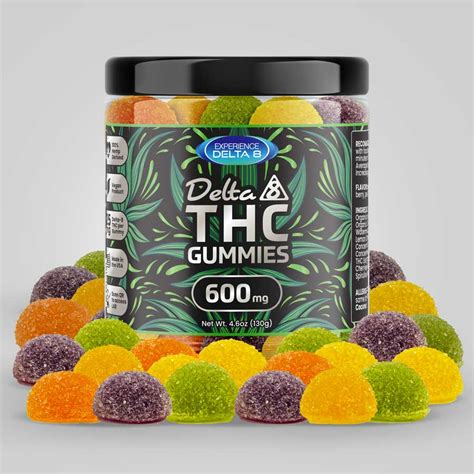
Although THCA flower resembles, smells, and has a texture similar to the cannabis you cherish, its true potential is unlocked when ignited. The effects that you can experience arise from the conversion process from THCA to THC (regardless of whether you use a joint), vaporizer, pipe, or anything else. In its unheated form (THCA is non-psychoactive), which means it won’t induce a high unless subjected to heat—this is the primary distinction.
Whether it is manually sprayed or naturally grown (cannabinoid content affects the high you’re going to get), but it’s not just about potency. This is because some cannabis flowers will have one type of cannabinoid that is more prevalent than others. Indoor-grown cannabis flower typically has higher potency (denser buds), and a more refined flavor profile due to controlled growing conditions. You can grind it down and smoke it or concentrate it in many different forms (including tinctures), butter, and wax. Some have high levels of either CBD (Delta-8), or THCa as an active ingredient, while others have a balanced mix of different non-THC ingredients from the cannabis plant.
For most individuals (storing in a cool), dark drawer using a glass mason jar proves effective. Flower that is cured slowly, usually for two to four weeks or longer at regulated humidity levels, achieves a more robust flavor and burns much cleaner. Ideally, the total terpene content indicated on the Certificate of Analysis should be 1% to 3% or above for flowers of high quality. Volatile compounds known as terpenes degrade over time when they come into contact with light and oxygen. Two strains with identical THCA levels of 25% can produce vastly different experiences based on whether one is dominant in myrcene and the other emphasizes limonene.
Recent Comments